Job Success
Founder walkthrough
How I scope a WordPress rebuild without breaking the live site.
I treat a rebuild as a controlled migration, not a visual reset. The scope has to protect the live customer journey, the content and search value already earned, and the operational systems the business depends on while the new version is built and tested separately.
Upwork status
Total jobs
Total hours
240 Upwork reviews
Protect the live operation
I identify the pages, forms, checkout paths, account actions, emails, and integrations that cannot be interrupted while development happens on staging.
Separate facts from assumptions
Confirmed requirements, risks to investigate, content still awaiting approval, and ideas for a later phase are recorded separately so the estimate is not built on hidden guesses.
Define launch and rollback
The scope includes acceptance checks, release ownership, DNS or hosting steps, redirects, cache clearing, monitoring, and a tested path back if a critical issue appears.
I begin with a live-site inventory
Before estimating the rebuild, I crawl the public site and list its important URLs, templates, content types, forms, analytics, tracking events, redirects, files, accounts, plugins, integrations, and hosting dependencies. I also record what is already working so the new build does not remove useful behavior by accident.
I mark the business-critical paths
Not every page has the same risk. I identify how visitors discover services, request a quote, purchase, log in, reset a password, download information, book a call, or contact support. Those paths become explicit acceptance tests rather than assumptions hidden inside a page list.
I sort the scope into keep, fix, rebuild, and defer
Some content and URLs should stay. Some templates only need cleanup. Other parts need a new structure. Ideas that are useful but not required for launch move into a later phase. This keeps the first release focused while protecting valuable pages, data, and search intent.
I isolate development from production
The new site is built on a protected staging environment with its own database and files. Production remains the source of truth until the agreed content freeze or final synchronization window. Search engines are blocked from staging, and staging email, payment, and automation behavior is controlled so test activity cannot reach real customers.
I plan content, data, and SEO migration together
A rebuild can fail even when the design looks good. I map old URLs to new destinations, protect important page copy and metadata, plan structured content and media migration, account for orders or user records that change during development, and verify canonical tags, schema, sitemap output, analytics, and internal links before launch.
I write the QA and rollback plan into the scope
The definition of done covers responsive layout, browsers, forms, notification delivery, accounts, checkout where relevant, integrations, accessibility basics, page speed, redirects, indexing controls, backups, security checks, and monitoring. The person authorized to launch and the condition for rollback are named before the release window.
I turn the findings into a phased decision document
The final scope explains the business goal, page map, reusable templates, features, integrations, content ownership, migration work, technical constraints, acceptance criteria, risks, launch sequence, and later opportunities. That gives the business a document it can approve and gives development a plan it can estimate responsibly.
Open the business discovery checklistQuick answers
Clear answers before the first conversation.
Should a WordPress rebuild happen on the live website?
No. The rebuild should happen on a protected staging environment. The live site should remain the source of truth until content, data, redirects, forms, integrations, and launch checks are ready for a controlled release.
What should be included in a WordPress rebuild scope?
Include the business goal, current-site inventory, page map, templates, content ownership, features, integrations, migration rules, SEO protection, staging plan, QA criteria, launch responsibilities, monitoring, rollback, and later phases.
How do you avoid losing new content or orders during a rebuild?
Define which system remains the source of truth, plan a content freeze or final synchronization window, avoid overwriting production blindly, and test the migration method with backups before launch. Ecommerce and membership sites need special handling for changing transactional data.
Can a WordPress rebuild keep existing search visibility?
It can protect existing search value when important URLs, content, metadata, internal links, canonical tags, schema, redirects, sitemap entries, and analytics are inventoried before development and verified again after launch.
Proof examples
Public Aimsparkk work patterns connected to Kamran Hassan.

Customer journey protection
Service Website Rebuild Pattern
A rebuild pattern where service clarity, trust, mobile flow, forms, and operational continuity matter as much as the new visual direction.
Complex content structure
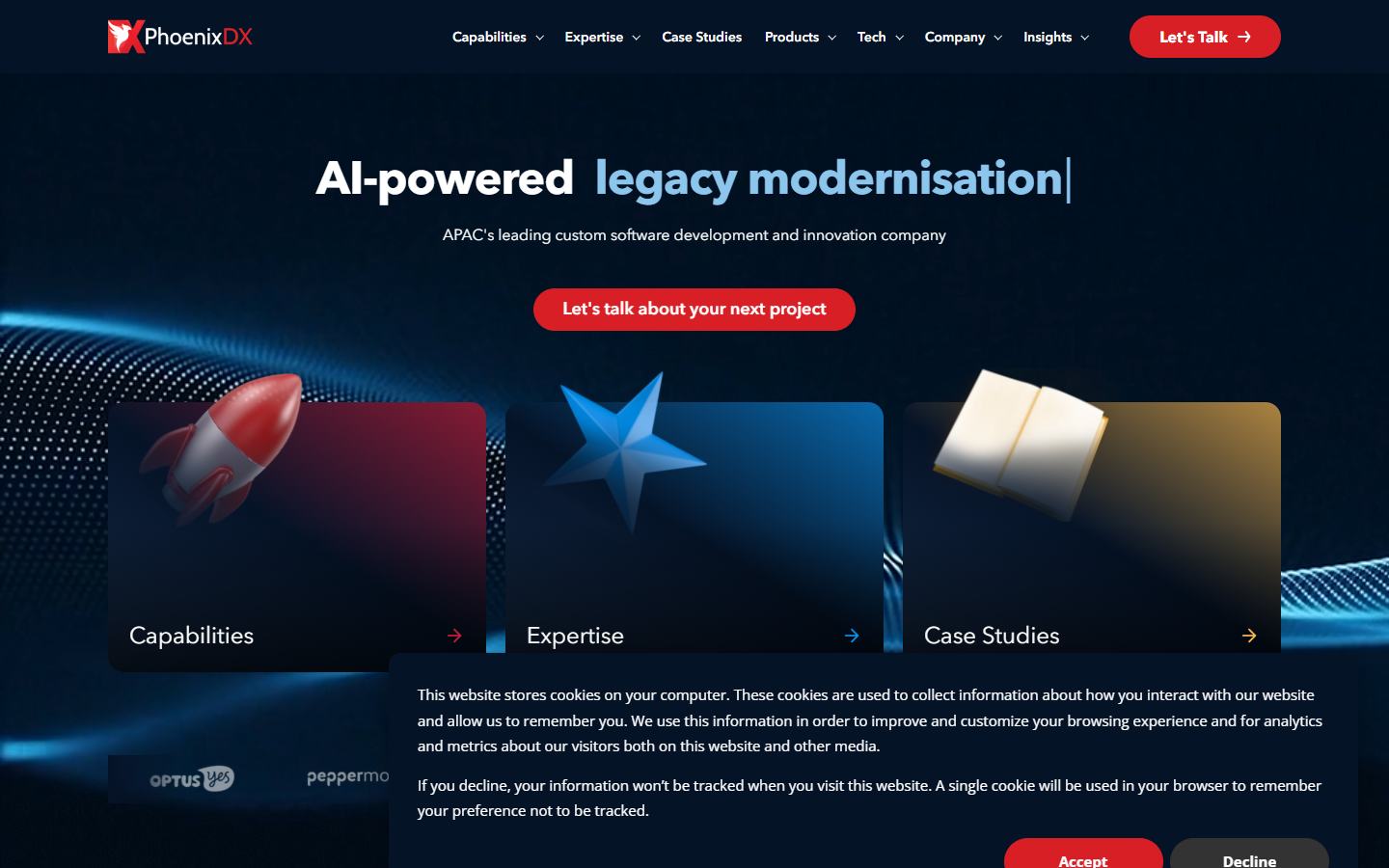
Technical Offer Rebuild Pattern
A useful pattern for rebuilding a technical website around clearer information architecture, reusable content, and a controlled launch path.
Data and conversion paths
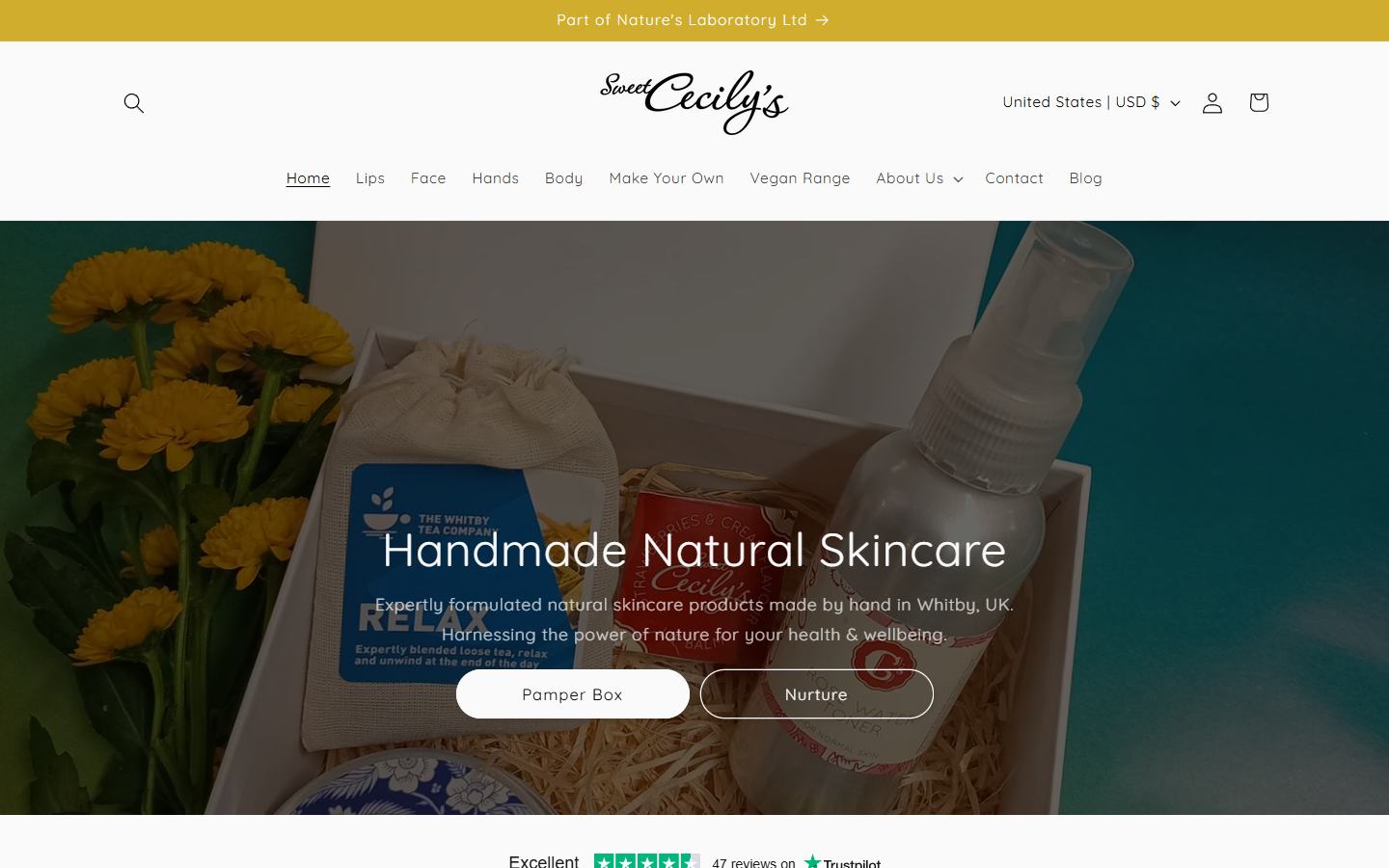
Commerce Rebuild Pattern
A commerce-focused pattern where products, variations, media, customer actions, tracking, and checkout behavior must be checked before release.
Related pages
Continue with the most useful next page.
Work with Kamran