Job Success
Ecommerce case study
Sweet Cecily's shows how ecommerce work should support product browsing, brand trust, and checkout confidence together.
This client-safe case study is generated from public Aimsparkk portfolio details. It does not claim private sales, revenue, traffic, ranking, or conversion metrics. The proof focus is the visible project direction: product browsing, brand storytelling, shopping confidence, and checkout flow.
Upwork status
Total jobs
Total hours
240 Upwork reviews
Problem
An ecommerce website has to do several jobs at once: present products clearly, build trust in the brand, reduce shopping hesitation, and keep the checkout journey easy to follow.
Fix
The public project direction centers on a consumer ecommerce experience with clearer product browsing, brand storytelling, confidence-building sections, and a cleaner checkout-oriented user flow.
Outcome
The client-safe outcome is a shopping experience that makes it easier for visitors to understand products, trust the brand, and continue toward purchase without unnecessary confusion.
Public source and proof limit
The available public source describes Sweet Cecily's as a WooCommerce / ecommerce store focused on product browsing, brand storytelling, shopping confidence, and checkout flow. Private sales, revenue, cart, and analytics data were not used or invented.
Starting situation
For a consumer ecommerce brand, visitors need quick product clarity and trust before they commit to checkout. Weak category flow, thin product context, or unclear confidence signals can make the store feel risky even when the products are strong.
What changed in the website direction
The project direction gives attention to product presentation, brand story, browsing confidence, ecommerce page flow, and checkout-oriented structure instead of treating the store as a simple catalogue.
Why this matters for SEO and conversion
Ecommerce SEO depends on crawlable product/category structure, useful content, fast pages, clean internal links, and trust signals. Conversion depends on the same foundation feeling clear and safe for real buyers.
What can be expanded later
If approved data becomes available, this case study can add before-and-after product-page screenshots, platform stack, checkout improvements, speed notes, product/category structure, or client-approved sales/conversion outcomes.
Quick answers
Clear answers before the first conversation.
What does the Sweet Cecily's case study show?
It shows a client-safe WooCommerce and ecommerce example focused on product browsing, brand storytelling, shopping confidence, and checkout-oriented user flow.
Are sales or conversion numbers included?
No. The page uses public Aimsparkk project details only and does not invent sales, traffic, ranking, cart, revenue, or conversion metrics.
Why does ecommerce structure matter?
Ecommerce pages need clear product presentation, category flow, trust signals, performance, internal links, and checkout clarity so visitors can move toward purchase with less hesitation.
Proof examples
Public Aimsparkk work patterns connected to Kamran Hassan.
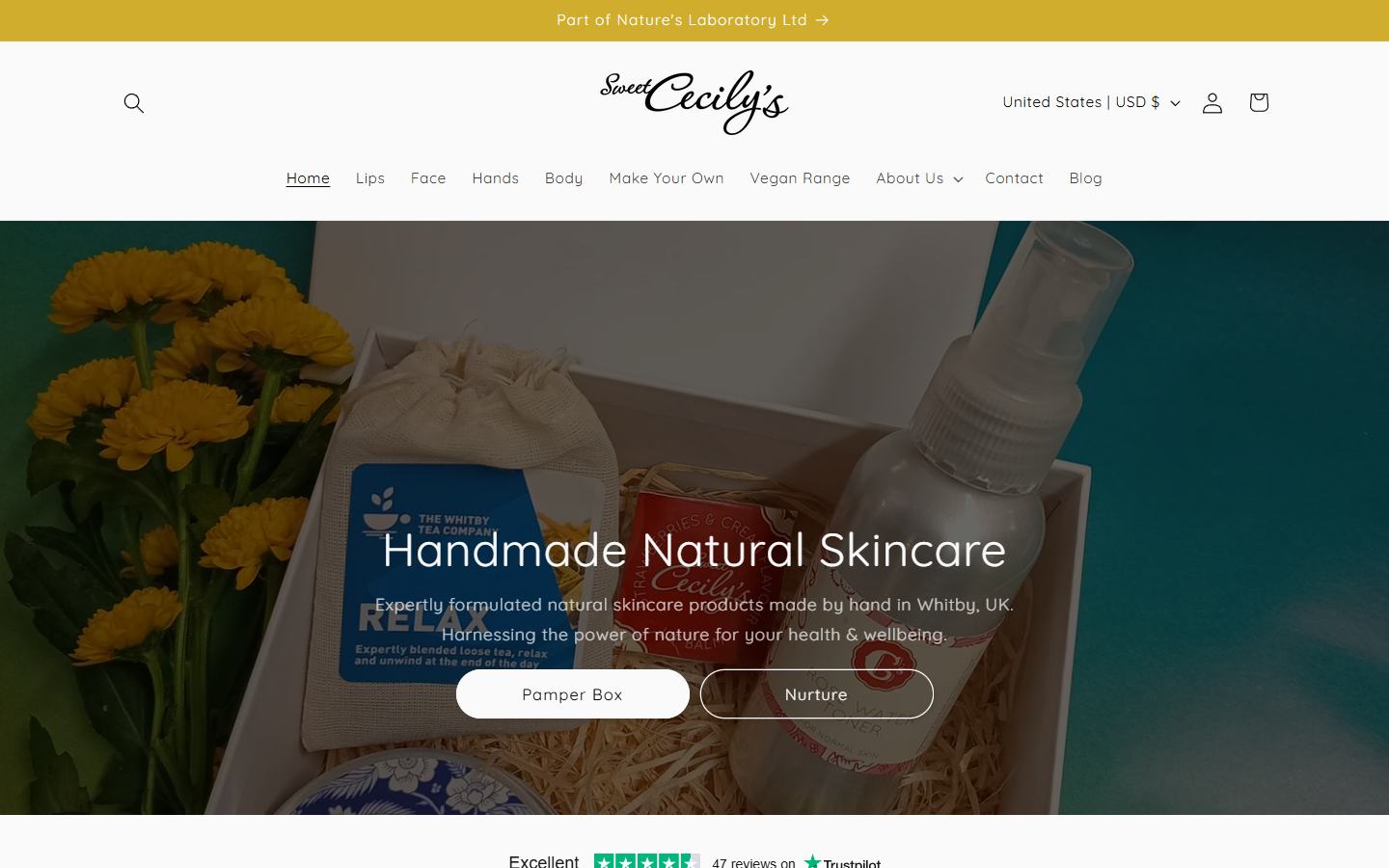
WooCommerce / ecommerce
Sweet Cecily's
A consumer ecommerce experience for product browsing, brand storytelling, shopping confidence, and checkout flow.
Food / ecommerce / WordPress
Grace Foods
A related food brand website reference with product presentation, ecommerce-friendly structure, branded content, and customer engagement.
Related service
WordPress Speed Optimization
Ecommerce pages need careful performance handling because product images, scripts, apps, and checkout tools can quickly make the experience feel heavy.
Related pages
Continue with the most useful next page.
Work with Kamran