Job Success
Case study template
A useful website case study shows the problem, the fix, and the outcome without turning proof into noise.
A case study should help a future client understand what was wrong, what changed, why it mattered, and what proof supports the result. This template keeps website proof clear, client-safe, and useful for SEO.
Upwork status
Total jobs
Total hours
240 Upwork reviews
Problem
Start with the business problem: slow pages, unclear services, weak trust, poor mobile layout, thin content, broken conversion flow, or a CMS that is hard to update.
Fix
Explain the specific changes: structure, design hierarchy, WordPress/CMS work, speed cleanup, SEO foundations, forms, tracking, redirects, or content rewrite.
Outcome
Show what improved in plain terms: faster experience, clearer inquiry path, better publishing workflow, stronger trust, cleaner tracking, or measurable movement where available.
Start with the situation
Describe the business type, audience, website role, starting condition, platform, constraints, and why the work was needed. This helps the reader decide whether the project is similar to their own situation.
Define the problem clearly
Avoid vague lines like the website needed to be better. Name the specific issue: slow mobile pages, unclear services, weak trust proof, old design, thin content, poor CMS editing, broken forms, messy tracking, or SEO risk during a redesign.
Explain what changed
Focus on the actions taken: information architecture, page templates, WordPress or CMS development, speed cleanup, SEO foundations, forms, analytics, redirects, internal links, content rewriting, and launch checks.
Show proof without exposing private data
Use approved screenshots, anonymized metrics, before-and-after notes, tool summaries, client-approved results, and public-facing examples. Never include private account details, secrets, or claims the client has not approved.
Connect the outcome to business value
The outcome should explain what changed for the business: faster decisions, better inquiry flow, stronger trust, easier publishing, cleaner tracking, fewer support frictions, or measurable movement where verified data is available.
Turn case studies into SEO assets
Each case study should internally link to the relevant service page, use a concise title and meta description, include natural keywords, add useful image alt text, and use schema only when it matches the visible content.
Quick answers
Clear answers before the first conversation.
What should a website case study include?
A useful website case study should include the business context, starting problem, constraints, work completed, tools or platform used, proof, outcome, and the next step a similar client should take.
Can case studies help SEO?
Yes. Case studies add original proof, service relevance, internal links, project language, trust signals, and long-tail search coverage when they are crawlable and written clearly.
How can a case study stay client-safe?
Use approved screenshots, anonymized numbers, industry-level context, before-and-after notes, and avoid private data, client secrets, account details, or claims the client has not approved.
Proof examples
Public Aimsparkk work patterns connected to Kamran Hassan.
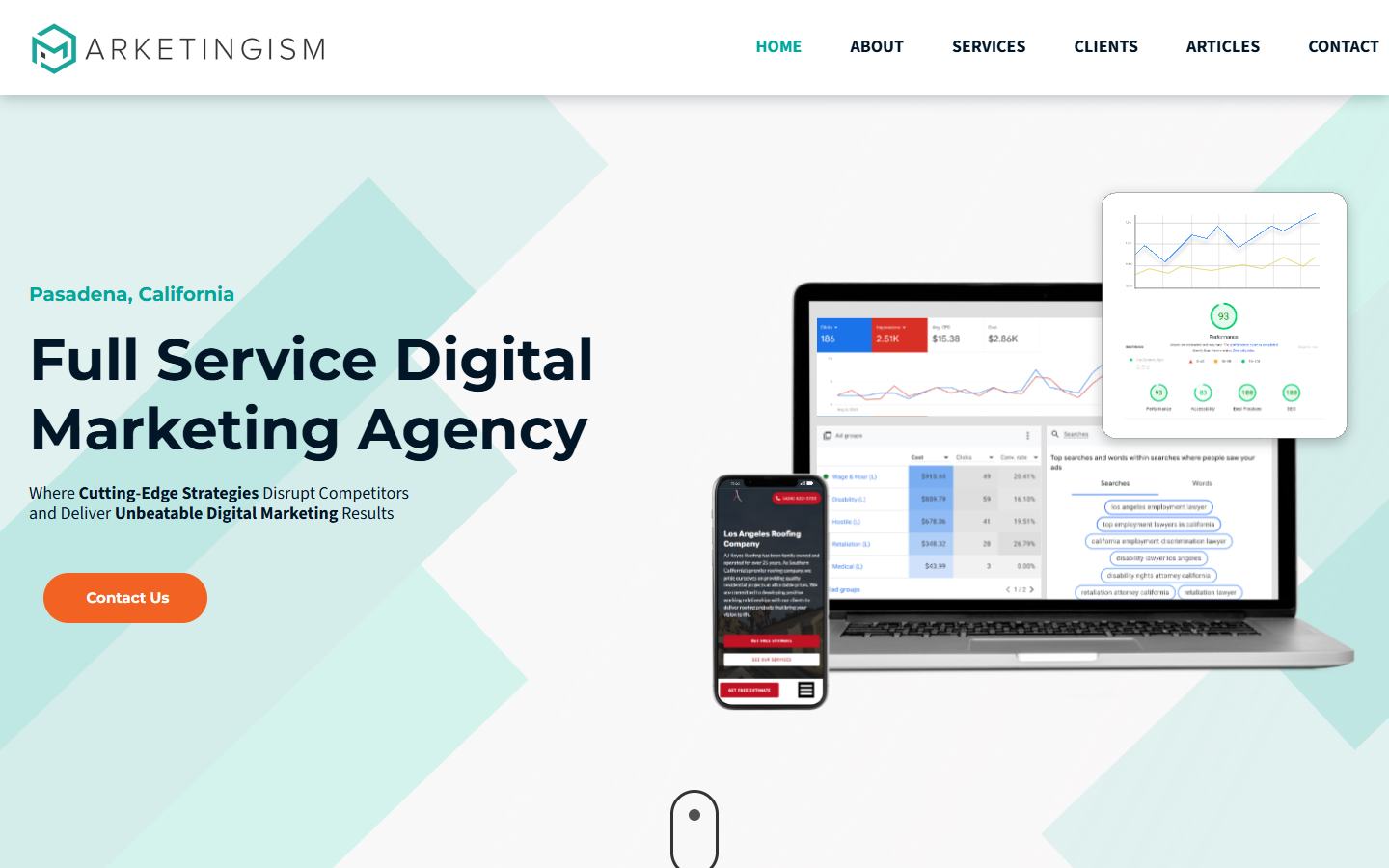
Proof framework
Case Studies
Future case studies should follow a consistent format so proof is easy for clients, search engines, and AI answer systems to understand.
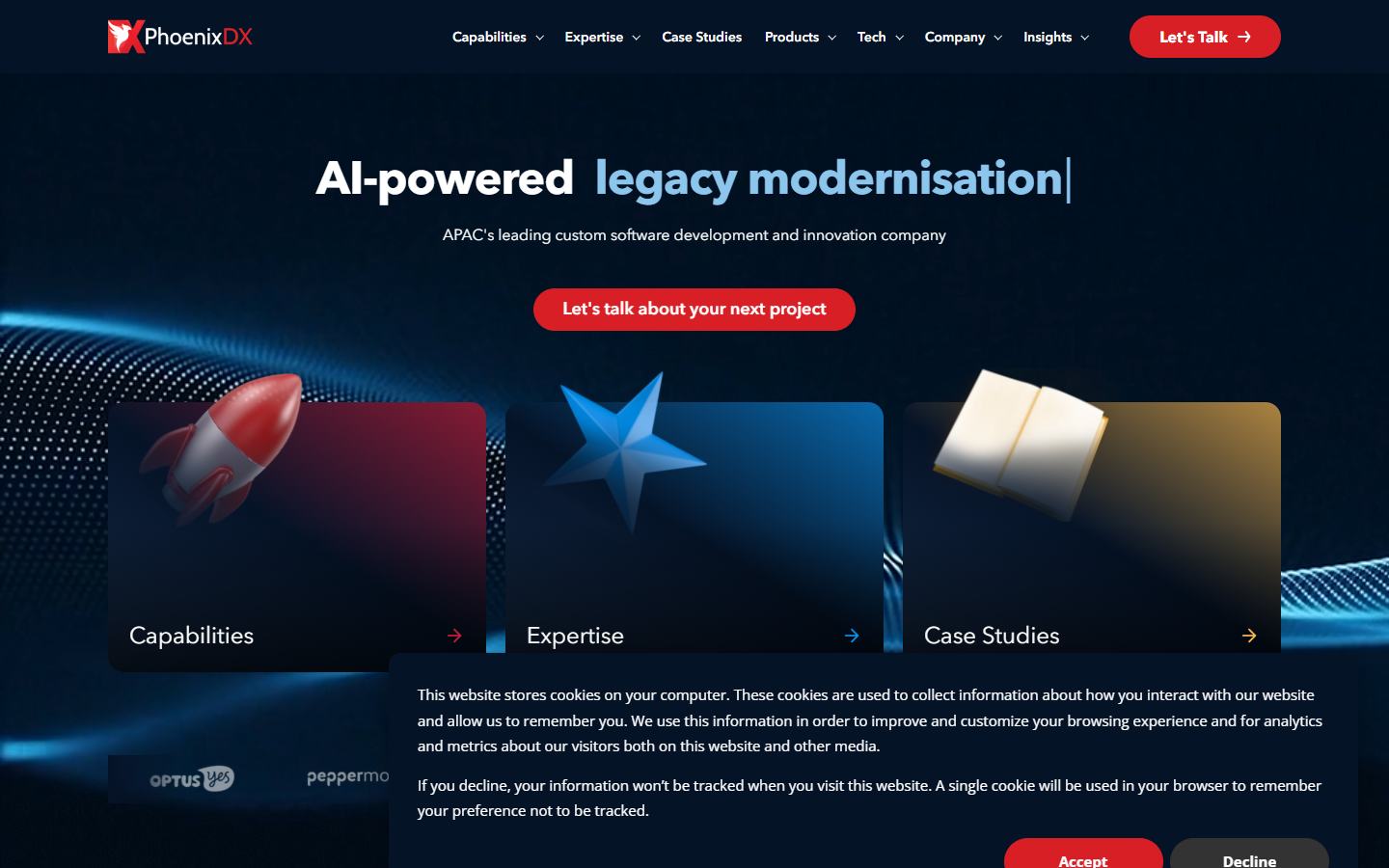
Redesign proof
WordPress SEO Website Redesign
A redesign case study should show the before condition, what changed, how redirects and launch QA were protected, and what improved after launch.
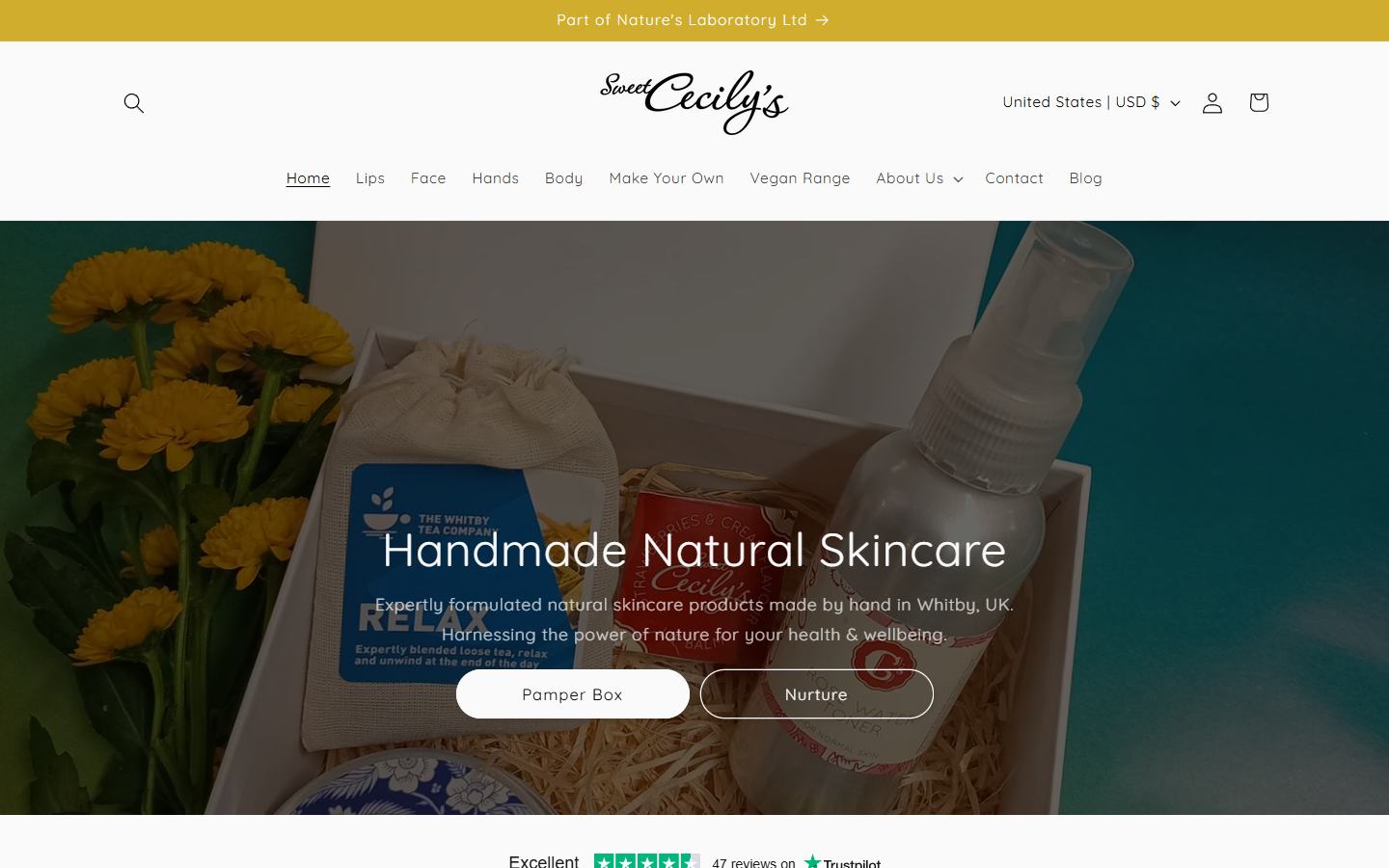
Performance proof
WordPress Speed Optimization
A performance case study should explain the slow experience, the cleanup work, the before-and-after proof, and the business value of a faster website.
Related pages
Continue with the most useful next page.
Work with Kamran